Projet « D’un volcan à l’autre », les élèves des options latin et cinéma, 9-15 octobre 2024
Les élèves de première option latin et cinéma-audiovisuel sont partis rencontrer leurs camarades du lycée Suor Orsola Benincasa à Naples.
Présentation du voyage, LOUISE Nelcia
Ainsi ils ont assisté à des cours d’art plastique et de vidéo. Ensemble ils ont pu s’essayer à l’art du portrait. Les élèves du lycée leur ont fait découvrir leur établissement, doté d’une longue et riche histoire.
Les élèves italiens les ont ensuite guidés dans le quartier historique de Naples et leur ont fait découvrir les principaux monuments et places de la ville.
Les élèves réunionnais ont présenté leur établissement ; les élèves d’option cinéma ont réalisé une capsule de présentation pour ce faire et tous ont réalisé en anglais des diaporamas de présentation de l’ile qu’ils ont commentés à leurs camarades italiens.
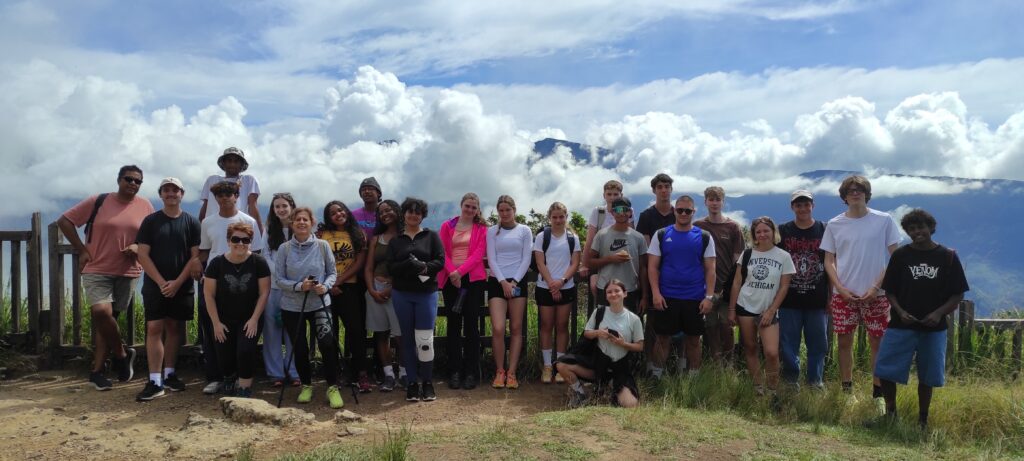
Une journée a été consacrée à la découverte du Vésuve, les élèves napolitains et réunionnais ont gravi une partie du volcan et pu découvrir les cratères.
Ils ont ensuite randonné ensemble accompagnés d’une guide locale qui leur a expliqué les différents minéraux présents ainsi que l’histoire des éruptions de ce volcan toujours en activité.
Vivement que les élèves napolitains puissent venir découvrir le volcan réunionnais !
Du 5 au 10 mai 2025, j’ai suivi une formation sur des méthodes alternatives pour enseigner les mathématiques à l’antenne de Tenerife de l’école Europass Teachers Academy.
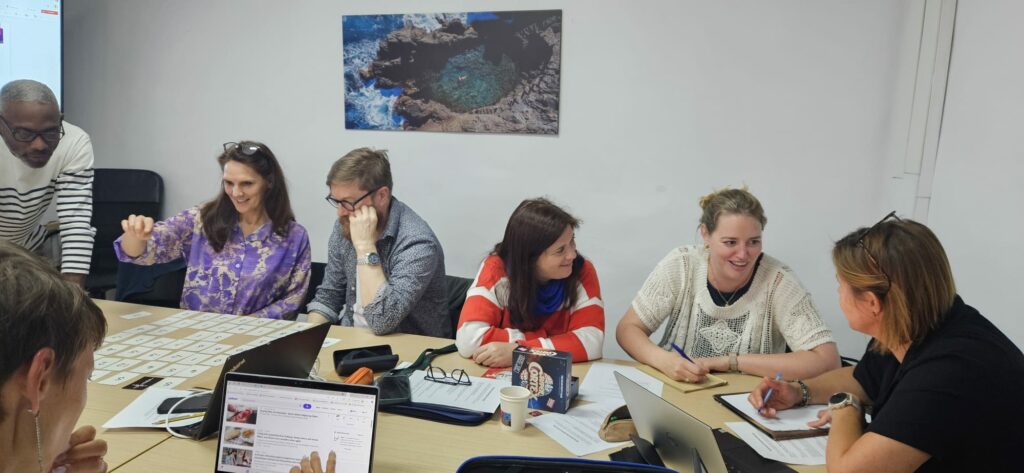
Il s’agissait de découvrir des méthodes faisant intervenir des jeux, les réseaux sociaux, tout ce qui nous entoure dans une ville (bâtiments, fresques, etc.) ou encore des activités de la vie quotidienne (aller au marché).
Nous étions une dizaines de professeurs de mathématiques venant de Belgique, d’Italie, de Finlande de France et de Slovénie.
L’ambiance a tout de suite été chaleureuse, et les échanges, tant avec le formateur du séminaire, qu’avec les autres enseignants, ont été très fructueux. L’école a même organisé un jeu afin que de créer des liens avec les enseignants des autres groupes que celui concernant les mathématiques.
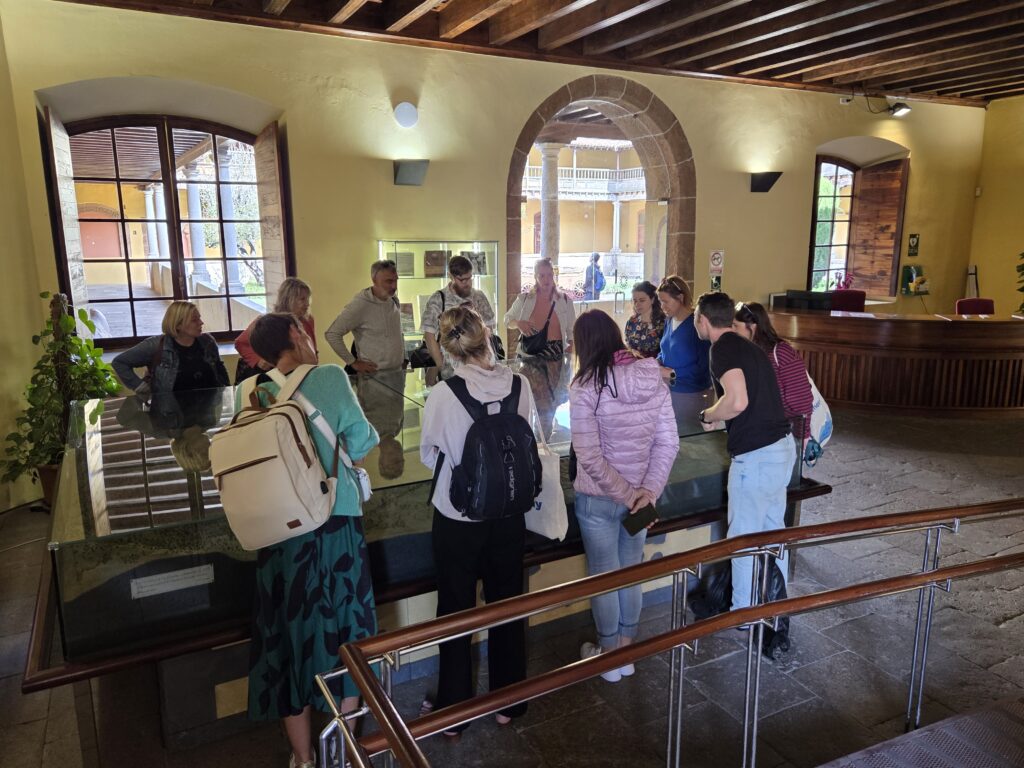
Activités lors d’une visite de la ville
Au final, j’ai pu atteindre les deux objectifs que je m’étais fixé en m’inscrivant à cette formation.
Le premier était de découvrir des méthodes innovantes pour enseigner les mathématiques. Ces méthodes me seront utiles non seulement pour mes cours en section européenne, mais aussi pour mes cours plus traditionnels. Outre le fait qu’elles seront plus attractives pour les élèves, elles m’ont donné des idées pour inciter les élèves de section européenne à s’exprimer en anglais. Par exemple, lors de l’élaboration d’un escape game, j’ai découvert qu’on pouvait demander à un élève d’en guider un autre qui a les yeux bandés. Cela demande beaucoup précision dans le vocabulaire.
Mon second objectif était de nouer des contacts avec des enseignants d’autres pays européens. J’ai été comblé au-delà de mes espérances. J’ai gardé le contact avec un professeur de mathématiques finlandais et des professeurs d’anglais néerlandaises (qui n’étaient pas dans mon groupe).
Cette formation a aussi été l’occasion pour moi de découvrir l’île de Tenerife, dans l’archipel des Canaries. C’est une île très similaire à La Réunion. L’école m’a été d’une grande aide pour cette découverte puisqu’elle a organisé plusieurs sorties au cours de ce séminaire.
Enfin, un dernier apport, et pas des moindres, de cette formation, a été la pratique de la langue anglaise. Spontanéité et improvisation ont été nécessaires pour échanger avec tous ces enseignants venus de toute l’Union Européenne.
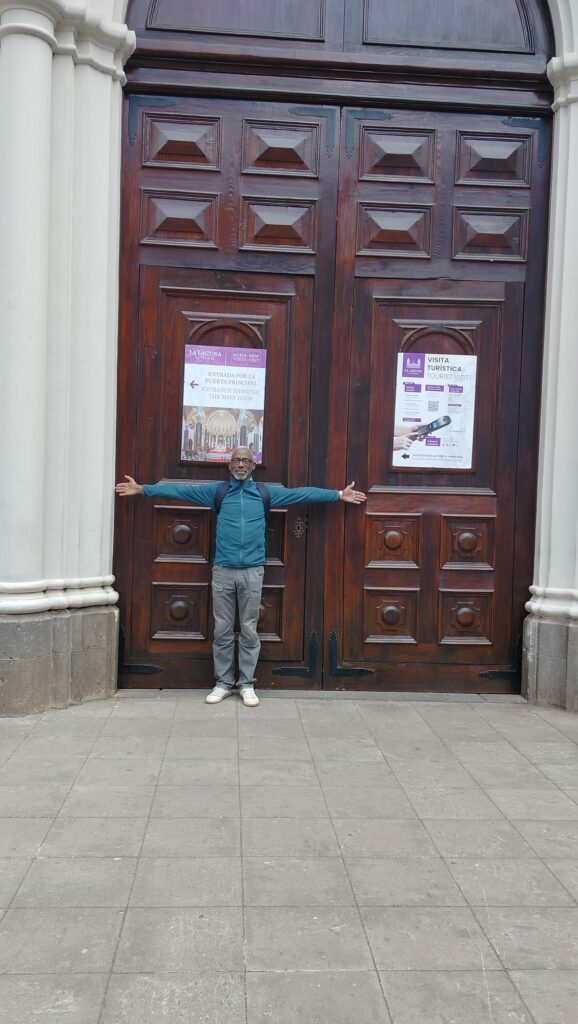
Mesure de dimensions avec le corps et des théorèmes de géométrie
From 5 to 10 May 2025, I attended a course on alternative methods for teaching mathematics at the Tenerife branch of the Europass Teachers Academy.
The aim was to discover methods involving games, social media, everything that surrounds us in a city (like buildings, facades, etc.) or even everyday activities (going to the market).
There were around ten maths teachers from Belgium, Italy, Finland, France and Slovenia.
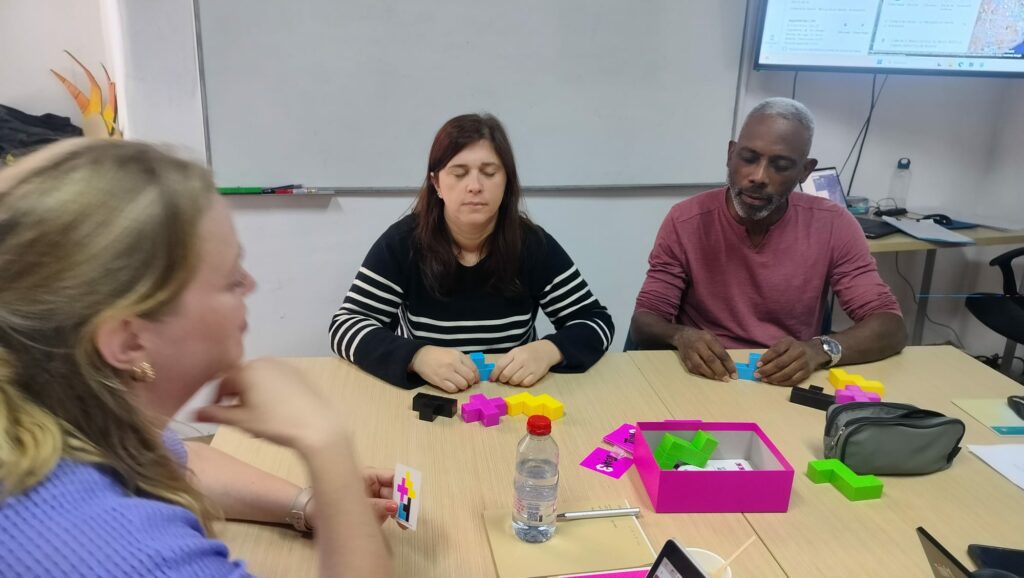
Guidage d’un partenaire aveugle
The atmosphere was immediately warm, and the exchanges, both with the seminar trainer and with the other teachers, were very fruitful. The school even organised a game to create links with teachers from the other groups (not about mathematics).
In the end, I was able to achieve the two objectives I had set myself when I signed up for this course.
The first was to discover innovative methods for teaching mathematics. These methods will be useful not only for my lessons in the European sections, but also for my more traditional lessons. Apart from the fact that they will be more attractive to the students, they have given me ideas for encouraging students in the European section to express themselves in English. For example, when designing an escape game, I discovered that you could ask one student to guide another who was blindfolded. This requires a great deal of precision in vocabulary.
My second objective was to make contacts with teachers from other European countries. Things turned out to go beyond my expectations. I kept in touch with a Finnish maths teacher and Dutch English teachers (who were not in my group).
This course was also an opportunity for me to discover the island of Tenerife, in the Canary archipelago. It’s very similar to Reunion Island. The school was a great help in this discovery, as it organised several tours during the week.
Last but not least, this stay enabled me to improve my English language skills. Spontaneity and improvisation were necessary to communicate with all these teachers from all over the European Union.
En mai 2025, j’ai eu la possibilité de partir une semaine en formation d’anglais à Dublin, grâce au dispositif de mobilité Erasmus+ proposé par le lycée Paul Vergès, dans lequel je travaille en tant qu’agent de laboratoire. C’était une grande première pour moi : quitter mon île et me retrouver seule dans la grande ville qu’est Dublin. Une expérience inoubliable, faite de rencontres, de partage, de dépassement de soi et bien sûr, d’apprentissage.
La formation d’anglais, proposée par l’école CES Dublin, se composait de 4 heures de cours le matin et 2 heures l’après-midi. L’objectif était de développer mon niveau B2 en anglais à travers des échanges sur des thèmes du quotidien, en petit groupe d’une dizaine d’élèves venus du monde entier. Les cours, animés à partir de supports papier et numériques fournis par les enseignants, m’ont permis d’approfondir mes connaissances linguistiques tout en découvrant d’autres cultures.
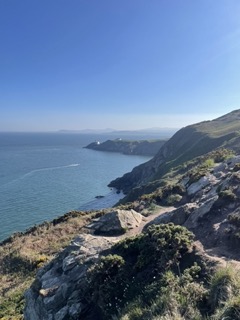
Au-delà des cours, cette expérience m’a offert l’opportunité de tisser des liens avec des personnes de différentes nationalités. Ensemble, nous avons visité la ville de Dublin, mais aussi les côtes irlandaises, avec leurs falaises à couper le souffle.
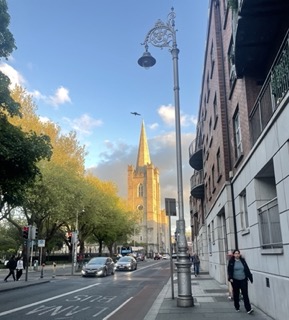
Entre lieux culturels, pubs typiques et l’ambiance chaleureuse, Dublin est une capitale pleine de vie, de musique et de bonne humeur. Les habitants sont accueillants et bienveillants.
A TEACHING JOURNEY IN DUBLIN (3 weeks in July – August 2025)
Vincent Hosotte, Philosophy teacher, Lycée Paul Vergès (Saint Paul, Réunion)
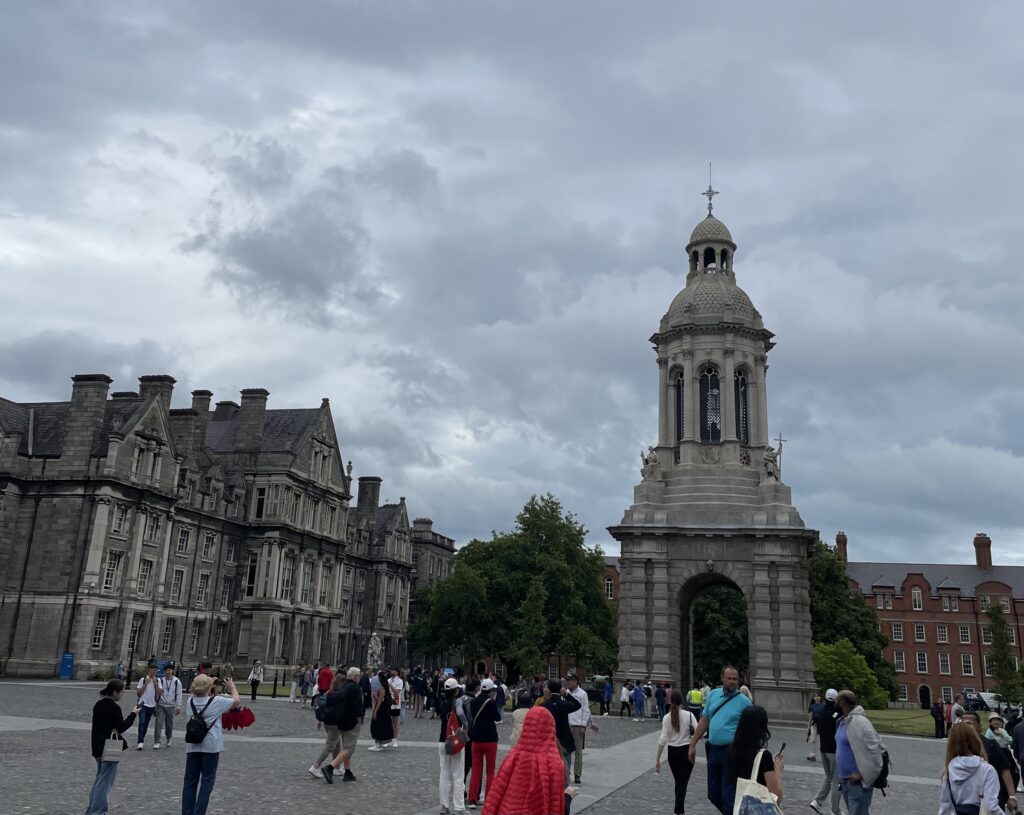
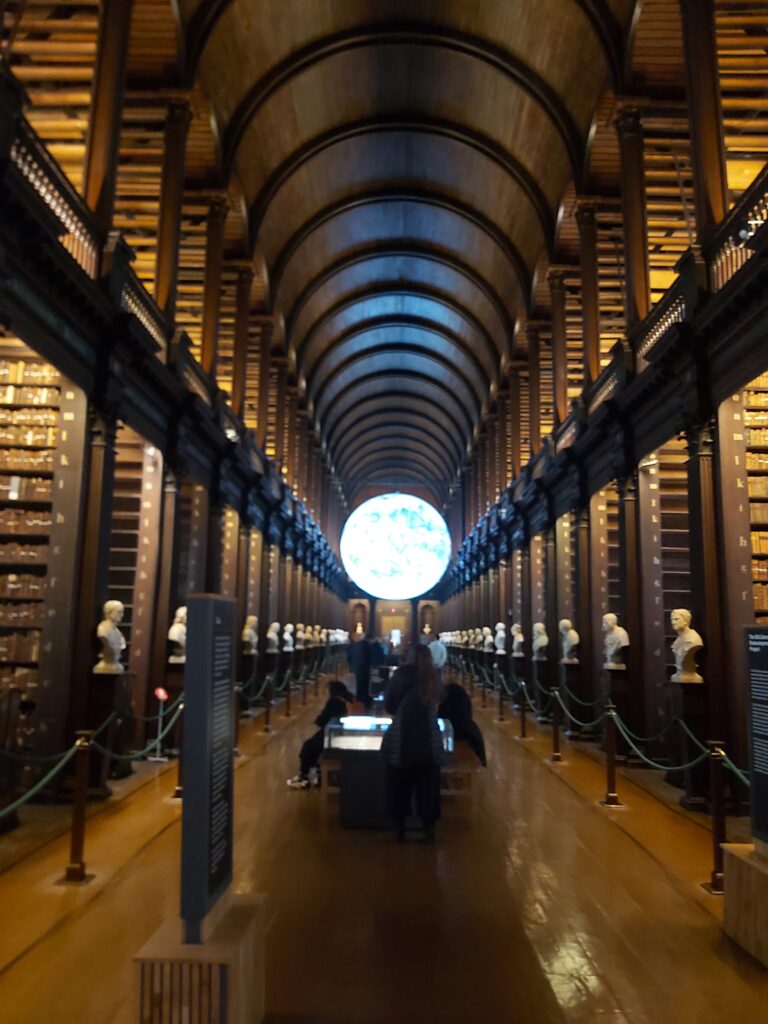
Trinity College, Dublin
As a teacher embarking on my first Erasmus + experience at Atlas Language School in Dublin, I approached this professional development opportunity with a blend of excitement and uncertainty. Eventually, this three-week intensive programme proved to be effective in terms of linguistic skills. I am also quite certain that it was transformative for both my teaching practice and cultural understanding.
Exploring CLIL Pedagogy
Along with other European teachers (from Italy, France, Hungary, Spain), I attended a course dedicated to Content and Language Integrated Learning (CLIL). It gave us a clear awareness of the delicate balance between subject content and language acquisition. Our training focused on crafting effective lesson plans with carefully constructed scaffolding techniques to support student learning. We explored various assessment methods whilst emphasizing the paramount importance of creating a supportive learning environment. The course highlighted how a benevolent approach to teaching facilitates optimal conditions for learning, allowing students to take risks and develop their language skills alongside subject knowledge.
Language Enhancement
The language improvement sessions were meticulously structured to enhance our linguistic skills : speaking, listening, reading, writing. Through engaging, activity-based instruction, we strengthened our command of English grammar and expanded our vocabulary. During this part of my experience, I was among young students (20-25 years old). Without denying the quality of this course, I would say it was more like a traditional interactive course. As a language course (C1), it was understandably less professionally oriented than the CLIL course. Nevertheless, this language session exemplified professional teaching methodologies, concretely showing how interactive approaches can be effectively implemented in my own teaching practice.
Cultural Immersion
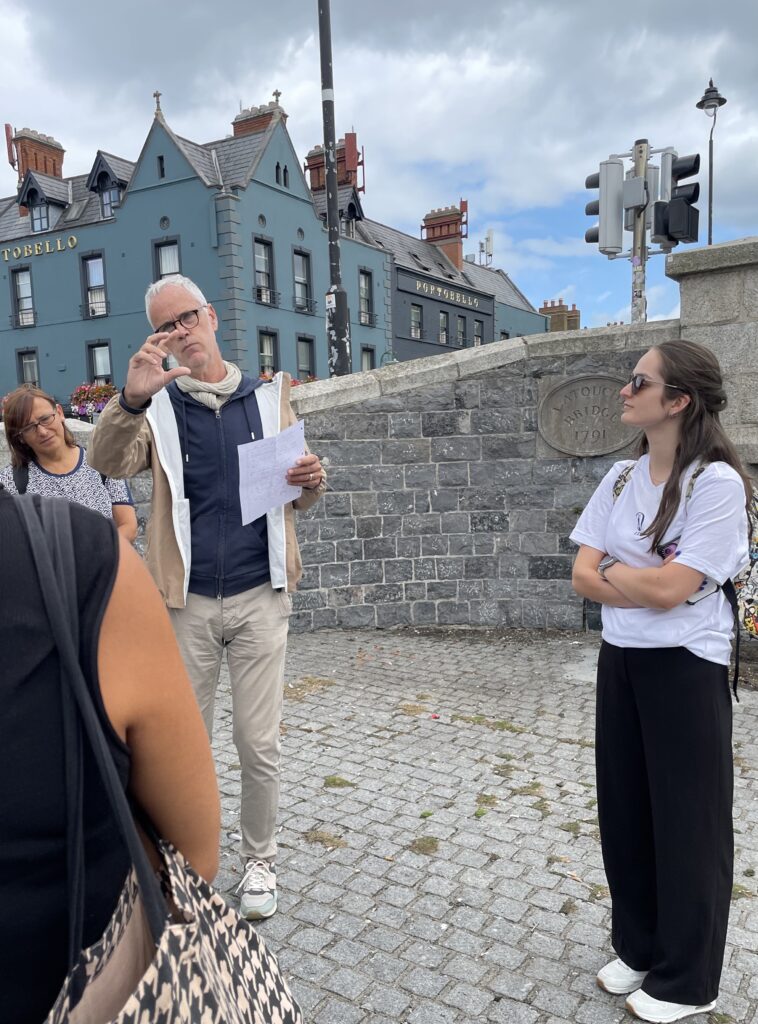
The afternoon cultural programme provided very interesting insights into Irish heritage. We explored prestigious institutions including Trinity College, the Museum of Irish Literature, and the EPIC Museum, which chronicles Ireland’s emigration history and global cultural influence. A particularly innovative activity was the ‘walk and talk’ tour, where each participant became a guide for specific Dublin landmarks. This experiential learning approach demonstrated an excellent teaching technique that could be readily adapted for our own students.
Walk and Talk experience
European Educational Exchange
Perhaps most enriching was the opportunity to collaborate with fellow European educators. Through our interactions, we gained substantial knowledge about diverse educational systems and teaching traditions across Europe. A notable discovery was learning about Italy’s mandatory CLIL implementation in upper secondary education, explaining the significant Italian representation in our course. These connections have opened possibilities for future job shadowing and school twinning initiatives. Besides, teaching in an environment such as La Réunion aroused great interest among my European colleagues…
This Erasmus + experience has proven invaluable, enhancing both my professional expertise and intercultural competence. The programme has equipped me with new methodological approaches, strengthened my language skills, and established meaningful professional connections across Europe. Indeed, the friendship bond is an important factor to stimulate European educational projects. The combination of structured learning, cultural immersion, and professional networking has provided me a comprehensive framework for a renewed educational practice. Last but not least, through professional and informal conversation with colleagues from all over Europe, I think my European sense of belonging has really got stronger.
Graduation (Unlike most of my colleagues, I stayed 2 more weeks. I finally got my diploma 2 weeks later…)
The students of the English European option had a year project dealing with the protection of the environment. The main question was: “How to manage tourism and agriculture in a protected area?”. To answer this question, two group mobilities had been organised in order to work on the rules of national parks, in Slovenia and on Reunion Island.
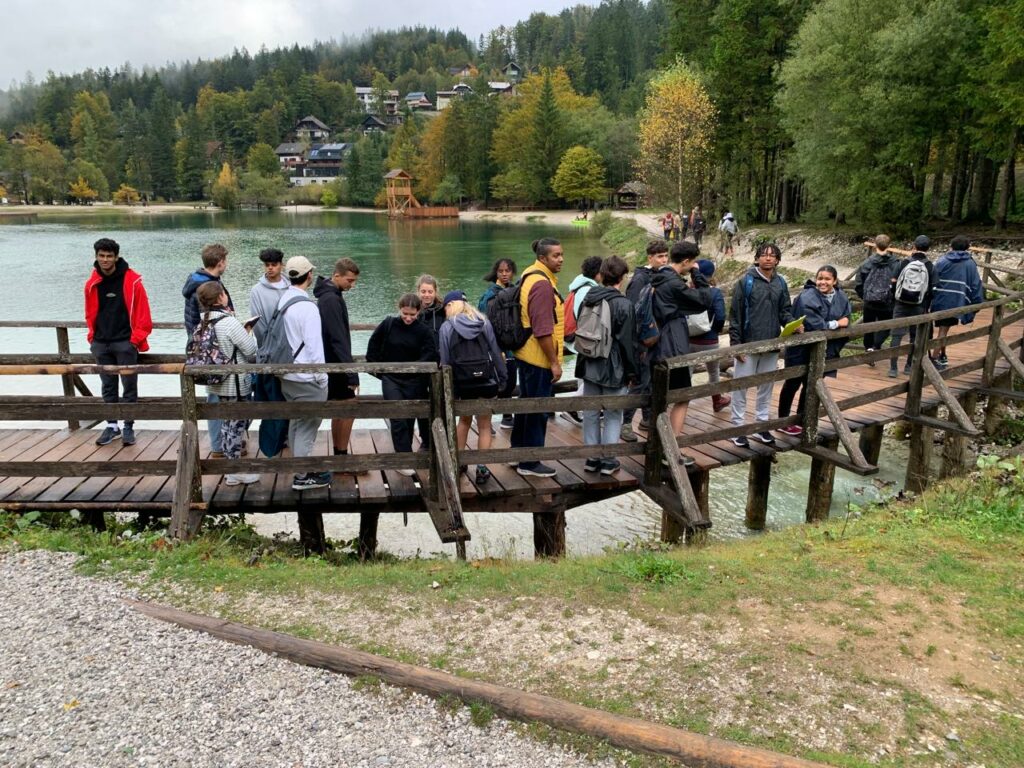
First, we went to Slovenia in October 2024. We joined the students of the high school of Idrija, our partner establishment, at the national park of Triglav. We made water analysis to evaluate the pollution coming from agricultural or touristic activities. We worked on the Slovenian rules which protect the environment, and ended with a visit of a farm to understand how they work with these rules.
workshop of water analysis
Workshop in the farm
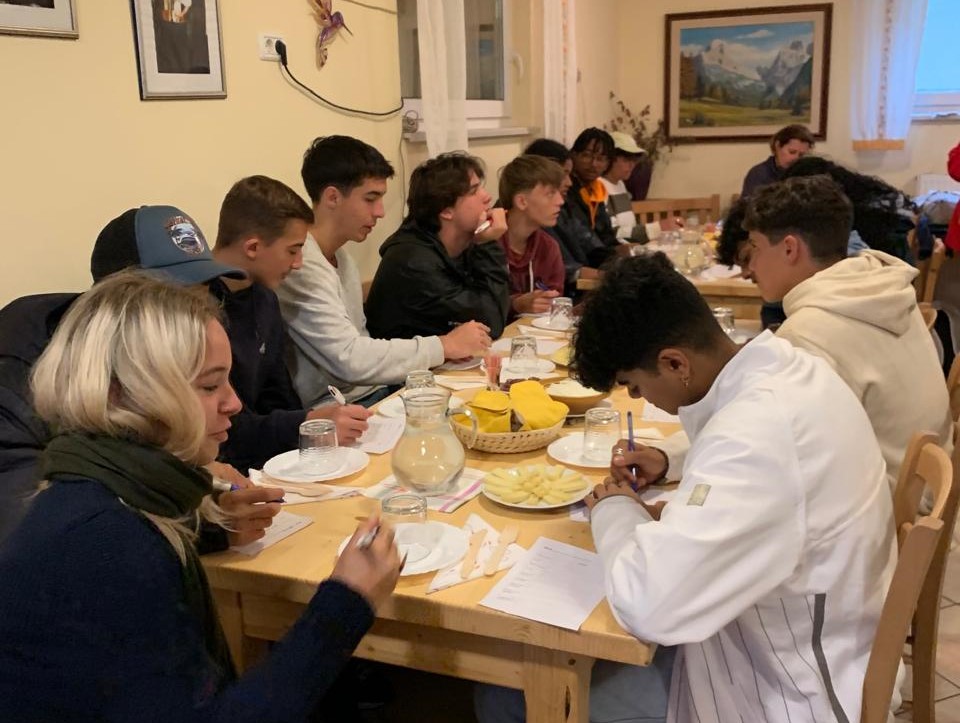
Then, we had been hosted by the student of Idrija and went to their high school for jobshadowing. We also started the redaction of an e-book gathering all the knowledge we collected.
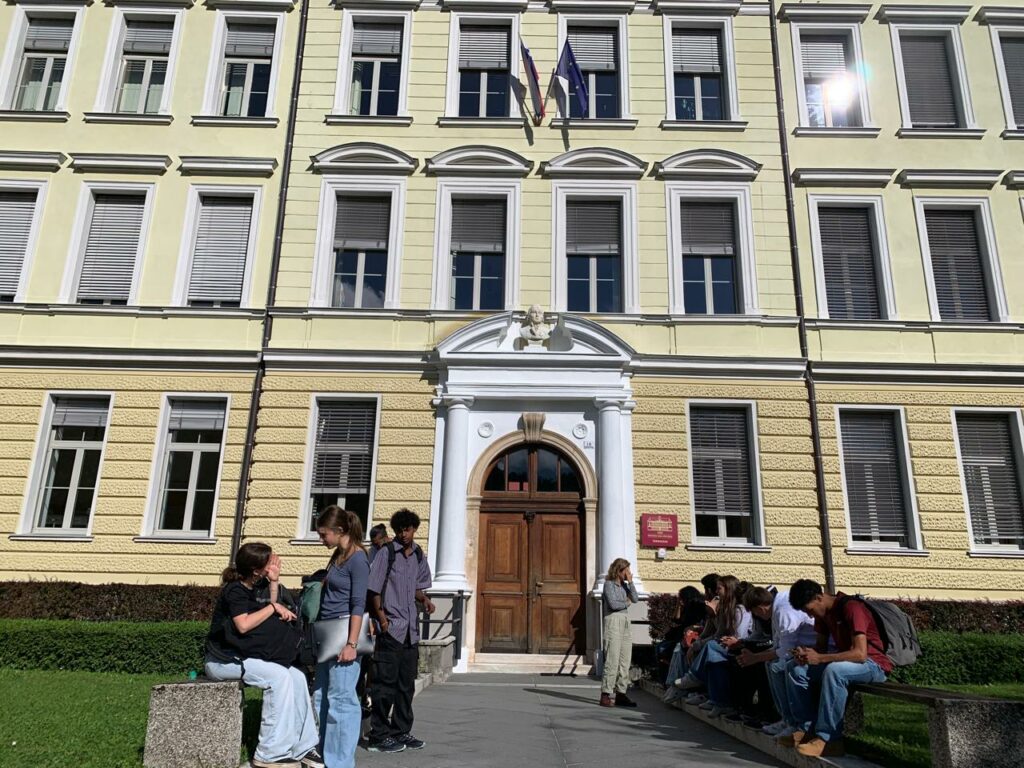
The high school of Idrija
Afterwards, we hosted the Slovenian students in April 2025. We went to the volcano, le piton de la Fournaise, the forest of Bebour. We visited the Garden of the Mascarins, the vanilla plantation of Bras-Panon. The goal was to work on the environment protection policy of the Reunion Island. The history had been studied too, thanks to the museum of Stella Matutina and thanks to a visit of the city of Saint Paul and the cave of the first French settlers, visit realised by the students with small presentations of the different main sites.
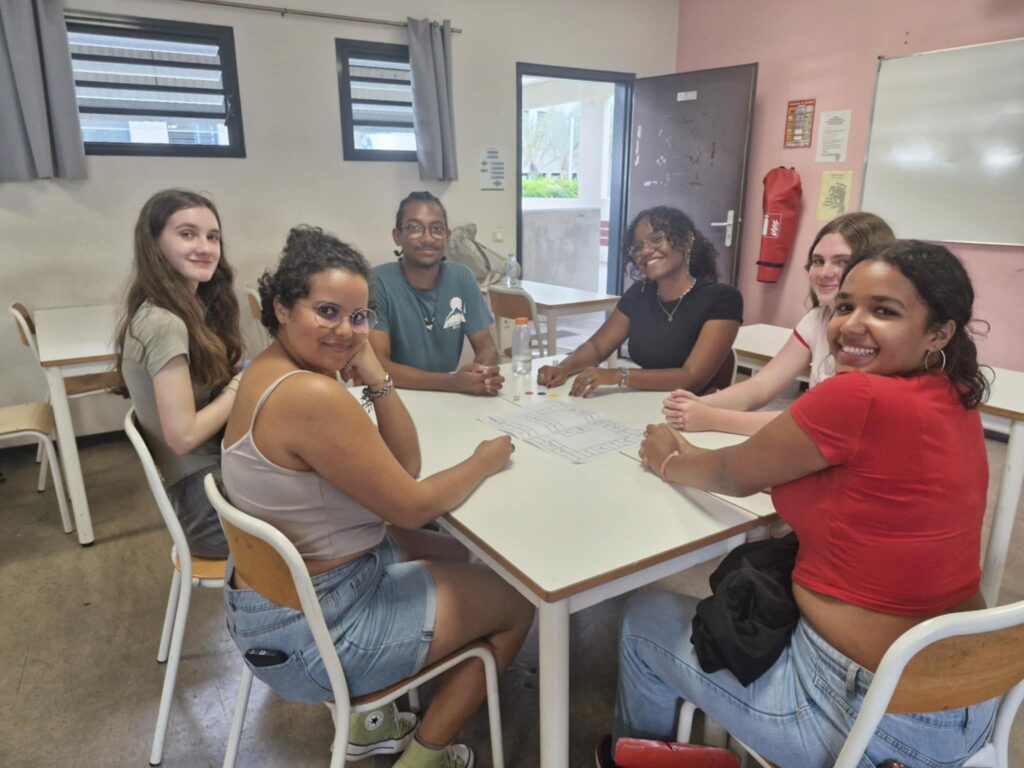
At the high school, a session had been organised to present the Creole and the Maloya, as the core of the Reunion population culture. Moreover, the Slovenian students particpated to jobshadowing, mathematics games, handball competition…
At the end of their stay, we went to the computers room to end the e-books we started in Slovenia. It was now possible to compare the two policies of environment protection thanks to national parks studies, to understand how, in each country, agriculture and tourism run integrating the different environmental rules.
Mathematics games
This year has been really amazing, with this exchange funded by the Erasmus programme. Two different cultures, two different histories had met. The hosting in family was great to discover different way of living, eating… Last but not least, for the student of the Reunion Island, the feeling of being part of the European Union had hugely increased !
The students attending the intensive language courses
In January 2025, I had the opportunity to take part in a three-week English language training course in Dublin, Ireland, as part of the Erasmus+ programme for teachers. This enriching experience allowed me not only to improve my language skills but also to immerse myself in the Irish culture and daily life of the capital.
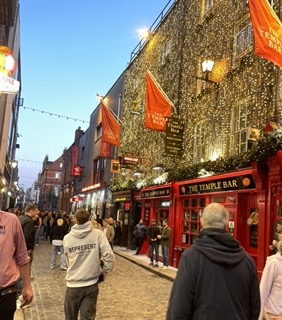
Dublin is a vibrant and dynamic city, full of history and charm. From Trinity College and its famous library to the lively atmosphere of Temple Bar, there is always something to discover. Despite the cold weather — especially during the first week when temperatures were particularly low — the city remained welcoming. Fortunately, the weather improved slightly in the following weeks. However, I experienced a moment of uncertainty toward the end of my stay, as a strong storm disrupted air traffic and almost forced me to extend my stay unexpectedly!
Thanks to the intensive language classes, I made significant progress and successfully reached the B2 level in English. This has been very beneficial for my teaching practice, especially in the *DNL euro* section at Lycée Paul Vergès, where I teach science in English. The course gave me more confidence and fluency when explaining complex concepts in a foreign language.
One of the most memorable aspects of my stay was the kindness and friendliness of the Irish people. Whether in the classroom, on public transport, or in shops and cafés, I always felt welcomed and supported. Their warm attitude truly made a difference during my stay.
On a less positive note, the school where I studied did not host other teachers from abroad at the time, so I didn’t have the chance to meet potential Erasmus+ partners for future exchanges. This was a bit disappointing, as one of my goals was also to build connections with other European educators.
Despite this, I consider my Erasmus+ mobility a great success. It gave me new tools and renewed motivation for teaching, and I highly recommend such an experience to any teacher looking to grow both professionally and personally.
Cette formation d’une semaine, en mai 2025, a permis de travailler sur des pratiques pédagogiques innovantes afin d’organiser des cours en anglais sur le sujet des institutions européennes. C’est un sujet complexe et qui souvent attise peu la curiosité de nos élèves. Mais, aborder la construction européenne, son élargissement et son approfondissement, sous forme de jeux, de débat, de quiz, de construction de frise chronologique, cela devient alors plus dynamique et attractif. Je suis impatiente de réutiliser tout le matériel pédagogique proposé avec mes élèves l’année prochaine.
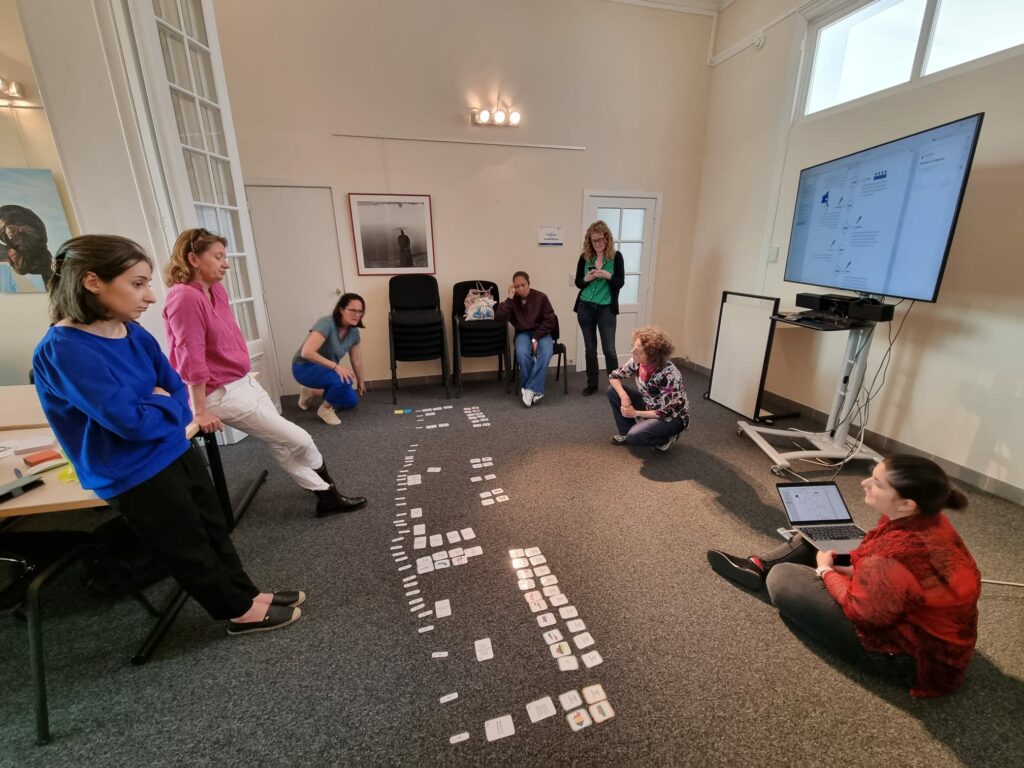
Construction de la frise chronologique de la construction européenne sous forme de jeu
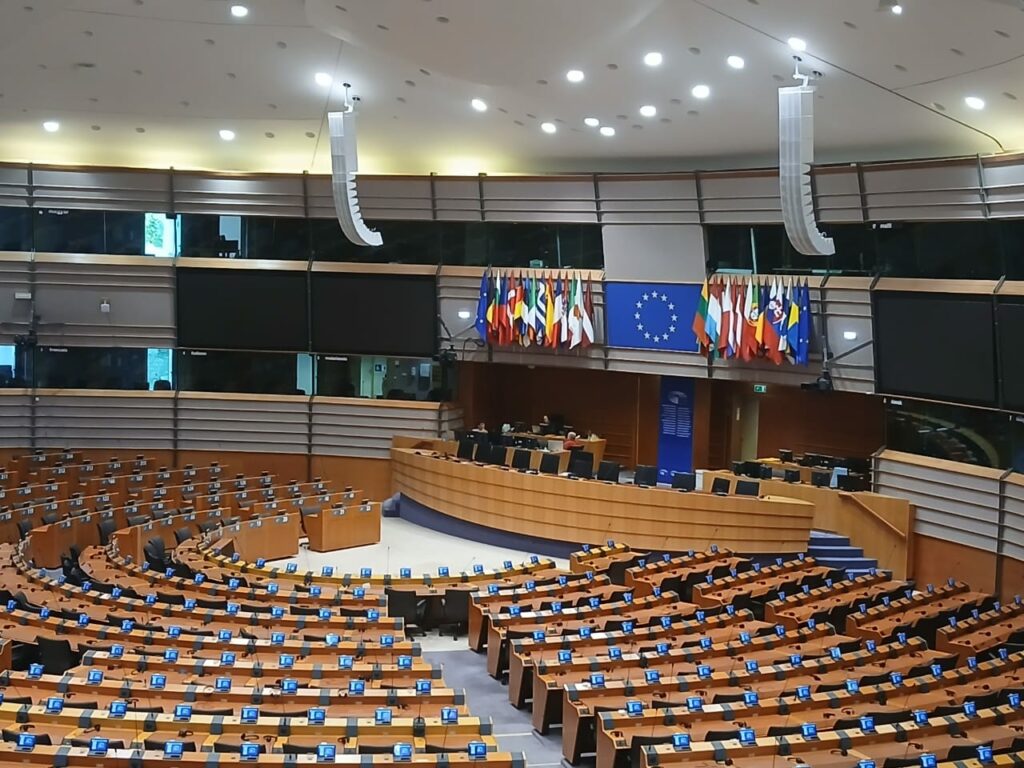
Enfin, le fait d’être présent à Bruxelles a vraiment été un plus. Découvrir le quartier des institutions avec la Commission et le Parlement européens (enfin son antenne à Bruxelles !) est très intéressant et émouvant. Bruxelles est une ville très cosmopolite, plus de la moitié de ses habitants ont une autre nationalité que la nationalité belge. Ici, on sent le cœur de l’Europe battre !!!
Visite du Parlement européen, pas celui de Strasbourg, mais son antenne à Bruxelles !
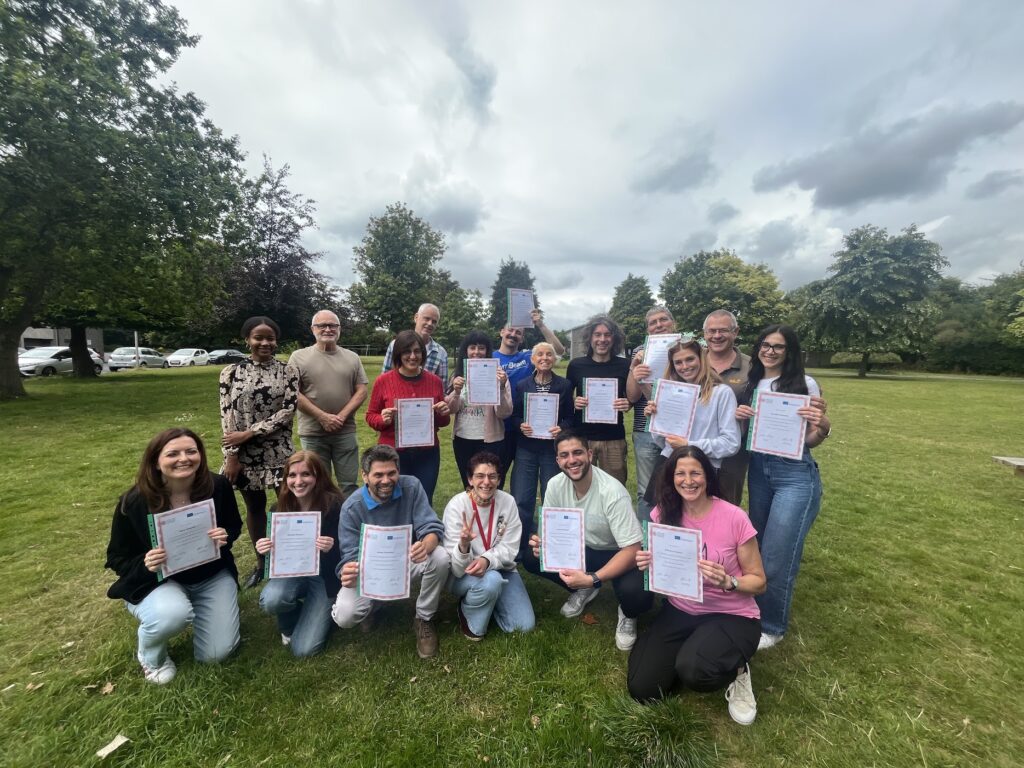
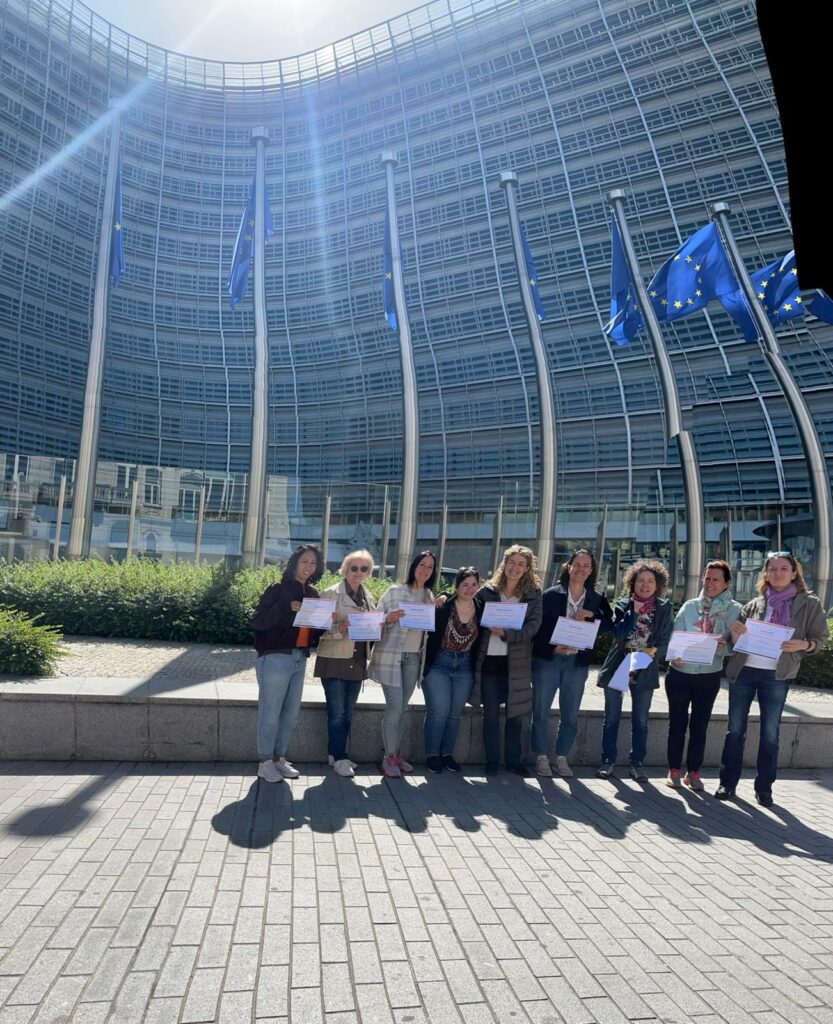
Remise des diplômes devant la Commission européennes
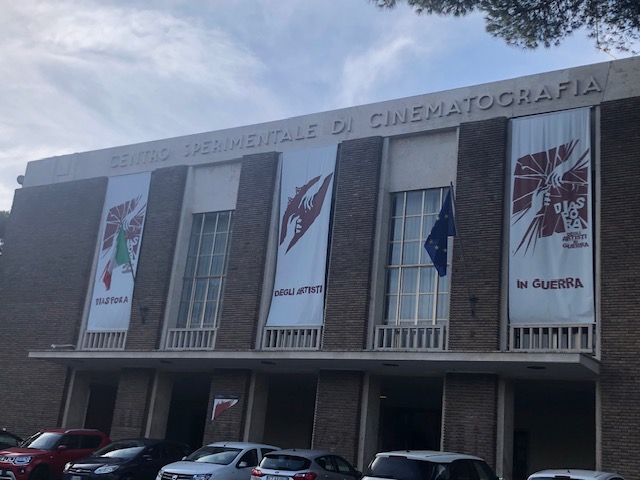
J’ai suivi dans le cadre d’une mobilité personnel une formation à l’Ecole Nationale de Cinéma de Rome en job shadowing du 7 au 14 janvier 2025.
La formation dispensée dans cette école est à la fois très riche et variée : j’ai pu assister à des cours d’actorat, des tournages, des ateliers d’écriture de scénario, des cours magistraux d’histoire du cinéma et des projections de travaux d’étudiants sous le regard de réalisateurs italiens.
La pédagogie privilégiée est celle de travaux par petits groupes sous la forme d’ateliers avec une certaine autonomie.
Elle repose sur une pédagogie de projets (workshop) plaçant les étudiants des différents départements de l’école (scénario, mise en scène, prise de son, actorat, montage…) en situation professionnelle de réalisation.
Cette expérience et les échanges qu’elle m’a permis d’avoir ont confirmé la nécessité du travail en groupe pour enseigner l’option cinéma, a enrichi mes connaissances et ma pratique -en particulier pour l’écriture de scénario et la réalisation.
Je n’hésiterai donc pas à mettre en œuvre ces acquis auprès des élèves de l’option du lycée!
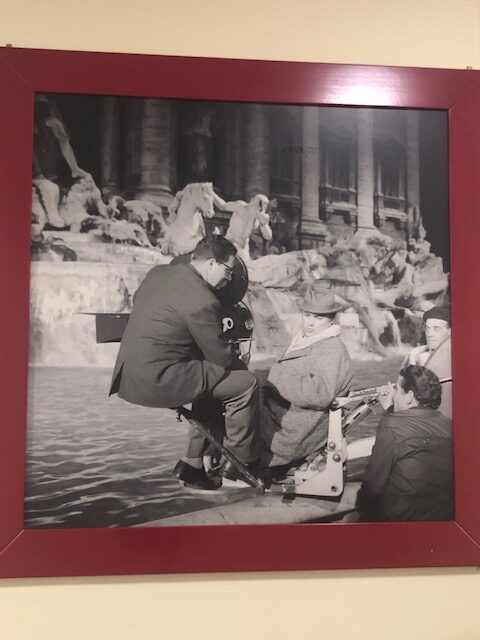
Photographie du tournage du film La Dolce Vita de FelliniDécor de l’école pour un tournage d’étudiants
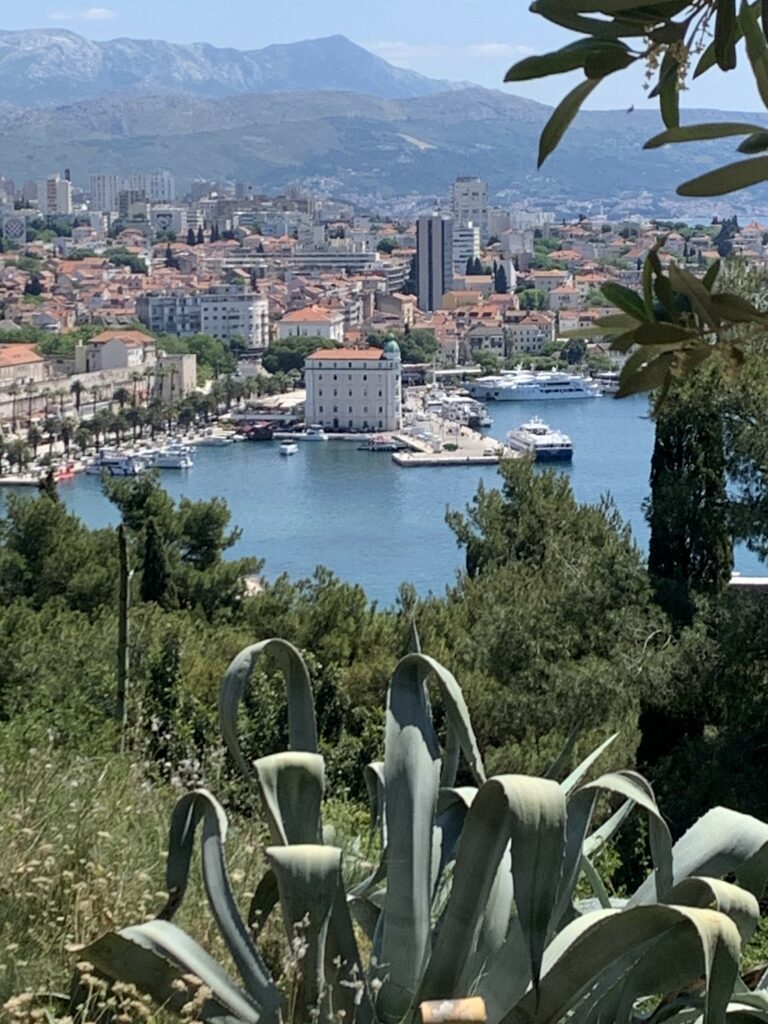
Enseignant l’histoire et la géographie en classe Euro, cette mobilité Erasmus en Croatie, en mai 2025, a eu lieu dans une des écoles Europass Teacher Academy située dans la magnifique ville de Split. Seconde métropole de Croatie, c’est donc une ville moderne sur les rives de la mer Adriatique accueillant de nombreux bateaux de croisières et autres touristes. Ils viennent admirer le cœur antique de la ville (Palais de Dioclétien), serti dans un labyrinthe médiéval, lui-même couronné par les édifices du XIXème siècle et le fameux Riva (promenade du front de mer). Autour, la ville moderne est parsemée de nombreux immeubles des années 1930.
L’objectif du stage était la découverte et la maîtrise d’outils numériques innovants et de l’intelligence artificielle pour enseigner, faire travailler les élèves en classe ou en-dehors de celle-ci et évaluer, le tout en anglais. Une grande densité d’informations donc. Les stagiaires, tous du monde de l’enseignement, venaient de toute l’Europe, du Portugal à la Lituanie en passant par la Bulgarie et l’Irlande. Mes deux collègues irlandaises n’ont pas été trop dérangées par l’usage exclusif de l’anglais durant le stage. Mais pour les autres stagiaires et moi, cela nous a permis de renforcer notre niveau de langue, l’autre objectif prioritaire. Parmi les aspects de l’intégration à la mondialisation, il est à noter que quasiment tous les Croates parlent et/ou comprennent l’anglais.
Quand nous sommes élèves, nous ne nous rendons absolument pas compte de ce qui se cache derrière les heures des cours où nous sommes avec nos professeurs.
C’est un peu comme quand nous allons au théâtre, voir un spectacle qui dure une heure, et que nous n’arrivons pas à imaginer, mais alors, absolument pas une seconde, la quantité de travail, d’effort, de passion et d’investissement, qu’il y a derrière … et tout ça pour une heure de spectacle !?
Quelle belle découverte d’être en coulisses !! Quel magnifique cadeau d’échanger avec les acteurices de ces « moments théâtraux » qu’on appelle « les cours ». Quel bonheur d’échanger avec celleux qui font avec leur travail quotidien, fonctionner un établissement.
Née en Espagne et ayant fait toute mon scolarité là-bas, la vie a fait que je me suis retrouvée enseignante en France. Le programme Erasmus m’a donné l’opportunité de retourner dans mon pays, explorer le dessous de la scène.
C’est assez incroyable comment deux pays voisins, avec des nombreux points culturels assez proches, se retrouvent en termes éducatifs aussi éloignés. Connaisseuse de deux systèmes je vous mets un p’tit tableau récapitulatif des différences les plus significatives à mon sens :
France
Espagne
Gestion
Nationale
Par communautés autonomes
Age des élèves
15 – 18 ans
12 – 18 ans
Horaires de cours
7h30-17h30
8h30-14h30
Vacances scolaires
16 semaines/an
12 semaines/an
Vie scolaire
CPE + AED
N’existe pas
Elève – Prof
Vouvoiement du prof par son nom de famille
Tutoiement du prof par son prénom
Heures prof devant élève/semaine
18h si certifié(e) et 15h si agrégé(e)
20h (à Madrid, car ça varie en fonction des endroits)
Heures prof dans le lycée/semaine
18h ou moins car pondérations et/ou agrégation
30h (à Madrid, car ça varie en fonction des endroits)
Réunions profs de la même discipline
Très rarement
Hebdomadaire
Réunions profs principaux du même niveau
Jamais
Hebdomadaire
Réunions profs de la même classe
Jamais (au conseil de classe)
Hebdomadaire
Remplacement collègues absent(e)s
Si « Pacte »
Les collègues d’astreinte (2h/semaine)
Salaire annuel prof en début de carrière (https://www.touteleurope.eu/societe/le-salaire-des-enseignants-en-europe/)