En mai 2025, j’ai eu la possibilité de partir une semaine en formation d’anglais à Dublin, grâce au dispositif de mobilité Erasmus+ proposé par le lycée Paul Vergès, dans lequel je travaille en tant qu’agent de laboratoire. C’était une grande première pour moi : quitter mon île et me retrouver seule dans la grande ville qu’est Dublin. Une expérience inoubliable, faite de rencontres, de partage, de dépassement de soi et bien sûr, d’apprentissage.
La formation d’anglais, proposée par l’école CES Dublin, se composait de 4 heures de cours le matin et 2 heures l’après-midi. L’objectif était de développer mon niveau B2 en anglais à travers des échanges sur des thèmes du quotidien, en petit groupe d’une dizaine d’élèves venus du monde entier. Les cours, animés à partir de supports papier et numériques fournis par les enseignants, m’ont permis d’approfondir mes connaissances linguistiques tout en découvrant d’autres cultures.
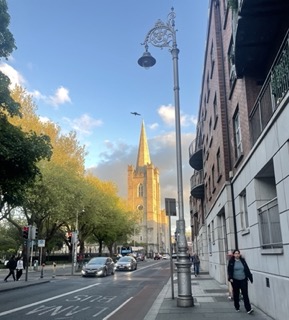
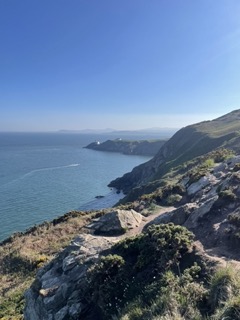
Au-delà des cours, cette expérience m’a offert l’opportunité de tisser des liens avec des personnes de différentes nationalités. Ensemble, nous avons visité la ville de Dublin, mais aussi les côtes irlandaises, avec leurs falaises à couper le souffle.
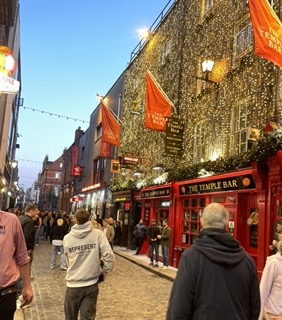
Entre lieux culturels, pubs typiques et l’ambiance chaleureuse, Dublin est une capitale pleine de vie, de musique et de bonne humeur. Les habitants sont accueillants et bienveillants.
A TEACHING JOURNEY IN DUBLIN (3 weeks in July – August 2025)
Vincent Hosotte, Philosophy teacher, Lycée Paul Vergès (Saint Paul, Réunion)
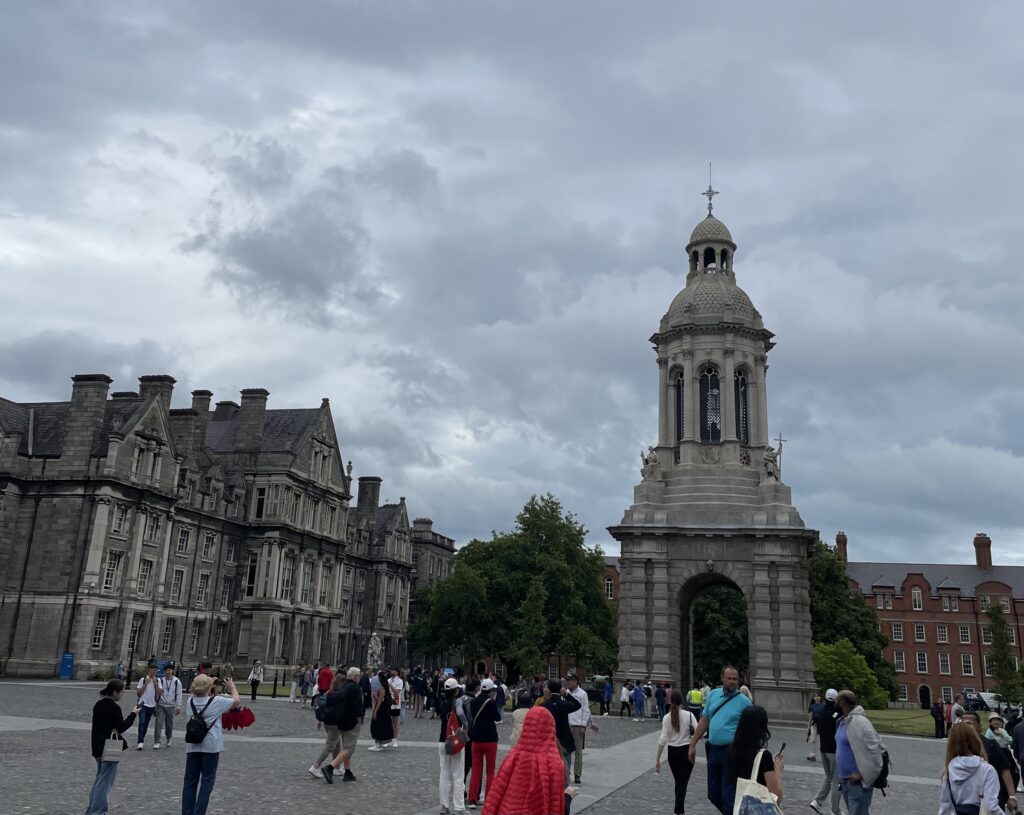
Trinity College, Dublin
As a teacher embarking on my first Erasmus + experience at Atlas Language School in Dublin, I approached this professional development opportunity with a blend of excitement and uncertainty. Eventually, this three-week intensive programme proved to be effective in terms of linguistic skills. I am also quite certain that it was transformative for both my teaching practice and cultural understanding.
Exploring CLIL Pedagogy
Along with other European teachers (from Italy, France, Hungary, Spain), I attended a course dedicated to Content and Language Integrated Learning (CLIL). It gave us a clear awareness of the delicate balance between subject content and language acquisition. Our training focused on crafting effective lesson plans with carefully constructed scaffolding techniques to support student learning. We explored various assessment methods whilst emphasizing the paramount importance of creating a supportive learning environment. The course highlighted how a benevolent approach to teaching facilitates optimal conditions for learning, allowing students to take risks and develop their language skills alongside subject knowledge.
Language Enhancement
The language improvement sessions were meticulously structured to enhance our linguistic skills : speaking, listening, reading, writing. Through engaging, activity-based instruction, we strengthened our command of English grammar and expanded our vocabulary. During this part of my experience, I was among young students (20-25 years old). Without denying the quality of this course, I would say it was more like a traditional interactive course. As a language course (C1), it was understandably less professionally oriented than the CLIL course. Nevertheless, this language session exemplified professional teaching methodologies, concretely showing how interactive approaches can be effectively implemented in my own teaching practice.
Cultural Immersion
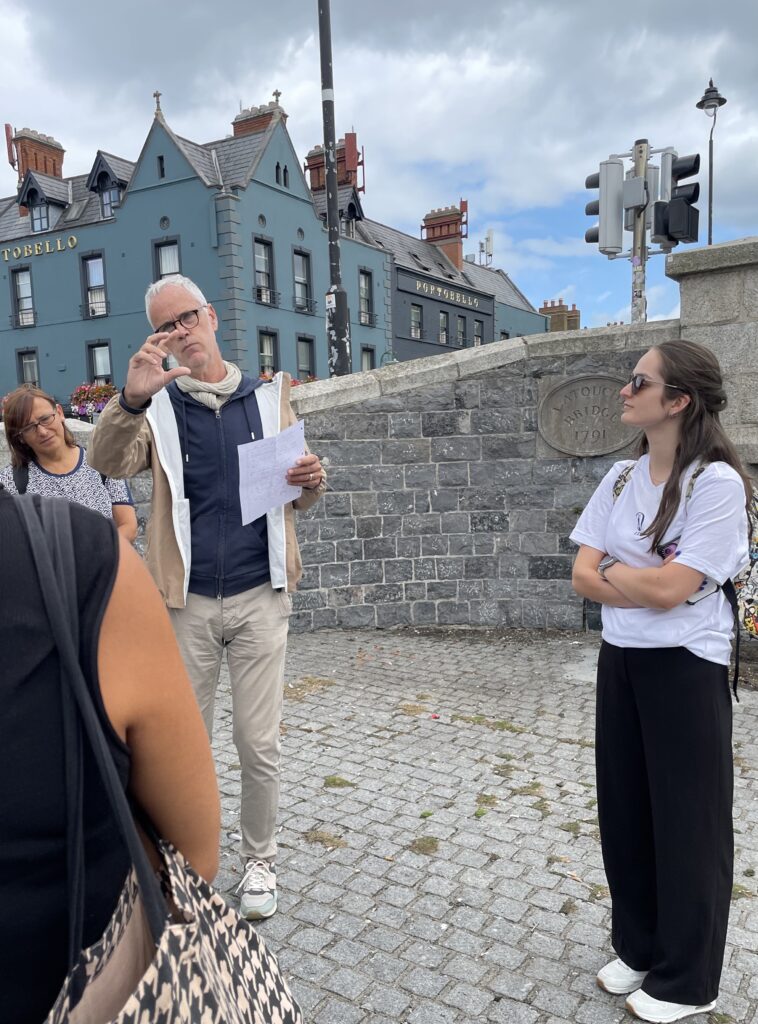
The afternoon cultural programme provided very interesting insights into Irish heritage. We explored prestigious institutions including Trinity College, the Museum of Irish Literature, and the EPIC Museum, which chronicles Ireland’s emigration history and global cultural influence. A particularly innovative activity was the ‘walk and talk’ tour, where each participant became a guide for specific Dublin landmarks. This experiential learning approach demonstrated an excellent teaching technique that could be readily adapted for our own students.
Walk and Talk experience
European Educational Exchange
Perhaps most enriching was the opportunity to collaborate with fellow European educators. Through our interactions, we gained substantial knowledge about diverse educational systems and teaching traditions across Europe. A notable discovery was learning about Italy’s mandatory CLIL implementation in upper secondary education, explaining the significant Italian representation in our course. These connections have opened possibilities for future job shadowing and school twinning initiatives. Besides, teaching in an environment such as La Réunion aroused great interest among my European colleagues…
This Erasmus + experience has proven invaluable, enhancing both my professional expertise and intercultural competence. The programme has equipped me with new methodological approaches, strengthened my language skills, and established meaningful professional connections across Europe. Indeed, the friendship bond is an important factor to stimulate European educational projects. The combination of structured learning, cultural immersion, and professional networking has provided me a comprehensive framework for a renewed educational practice. Last but not least, through professional and informal conversation with colleagues from all over Europe, I think my European sense of belonging has really got stronger.
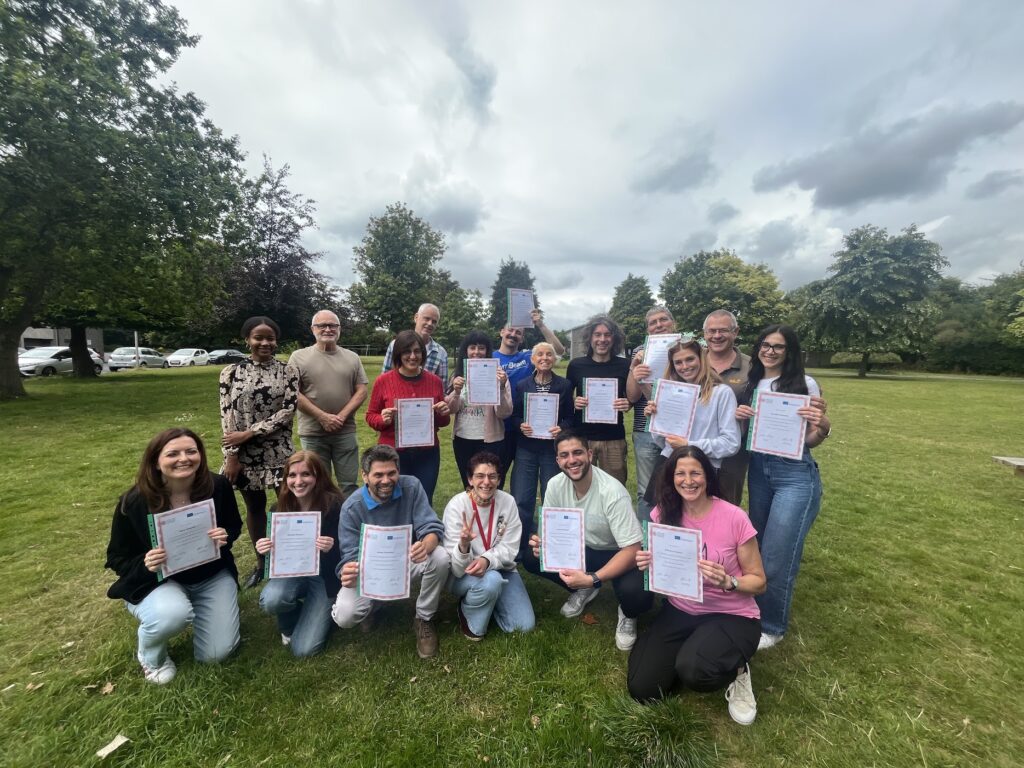
Graduation (Unlike most of my colleagues, I stayed 2 more weeks. I finally got my diploma 2 weeks later…)